Bangladesh · Sylhet
Sylhet — the birthplace of Bangladeshi cha.
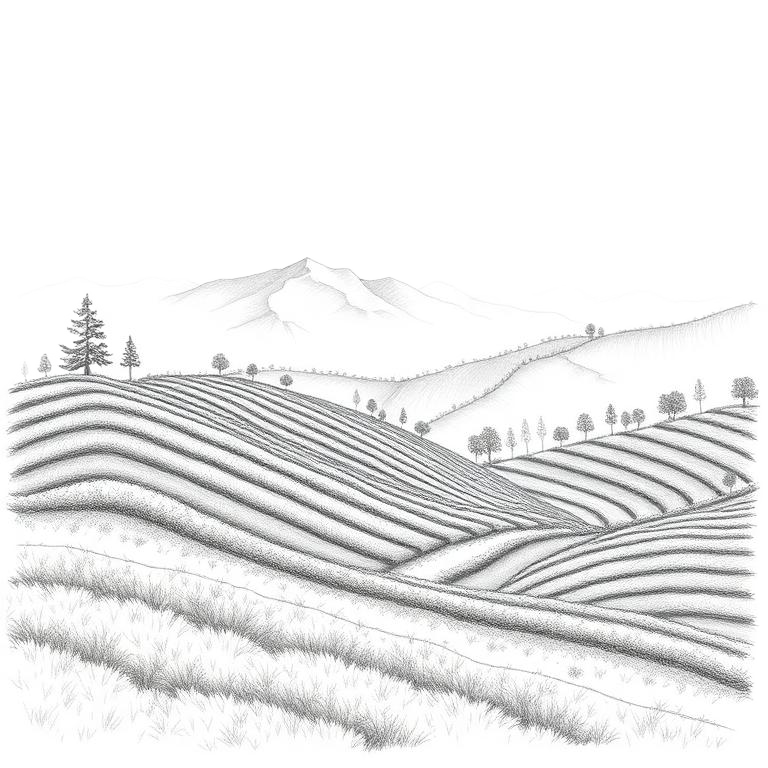
Bangladesh's tea story starts in 1854, on the rolling hills of Sreemangal. Today Sylhet's gardens still produce most of the country's leaf — the malty, full-bodied black tea that built the cha-stall culture of every Bangladeshi street corner. This is the region that gave the country its cup.
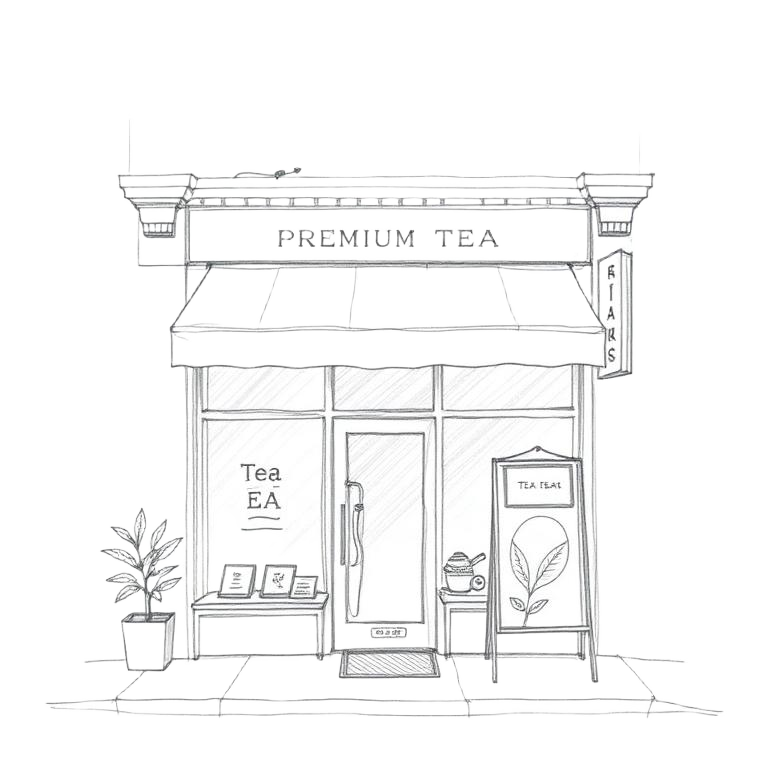
Orthodox & CTC, from the source
Whole-leaf orthodox grades from historic Sreemangal estates, plus the brisk CTC dust that powers every Sylhet roadside cha-stall.
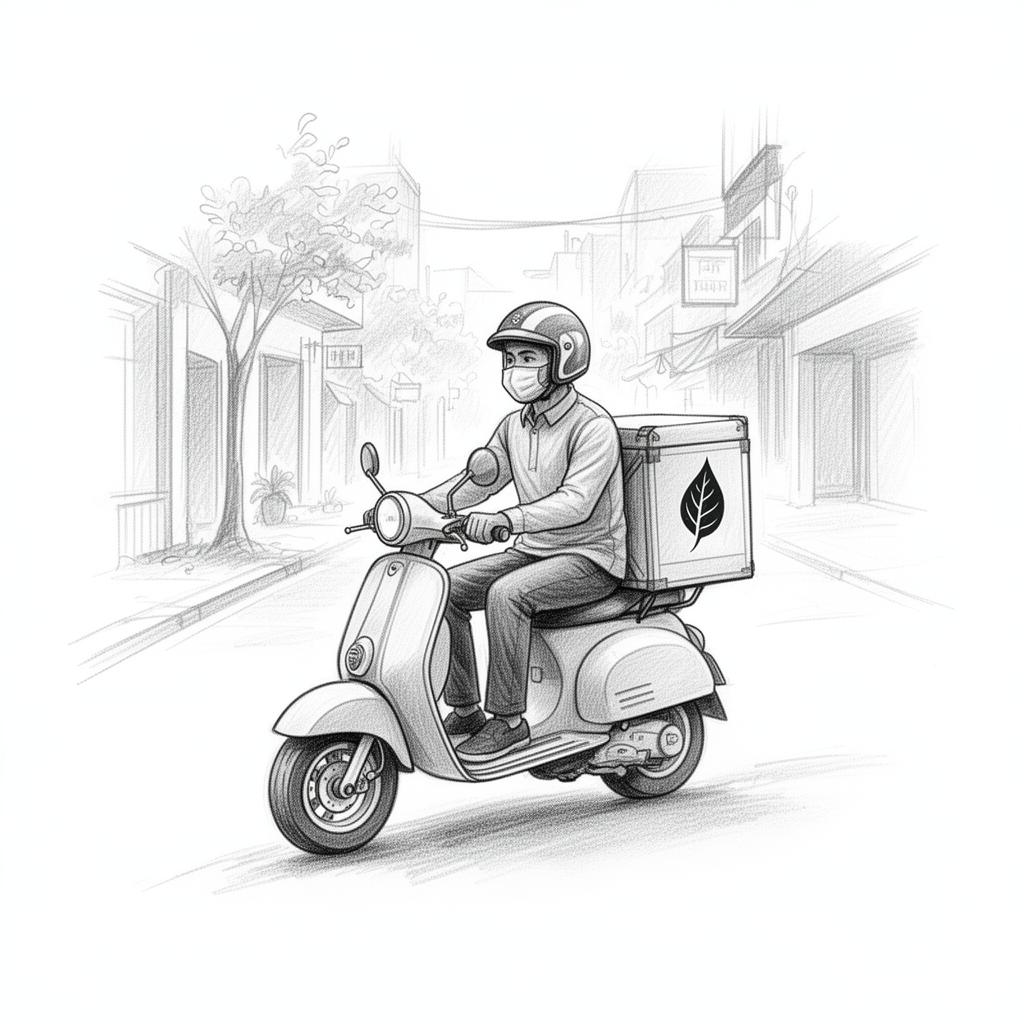
A culture, not just a crop
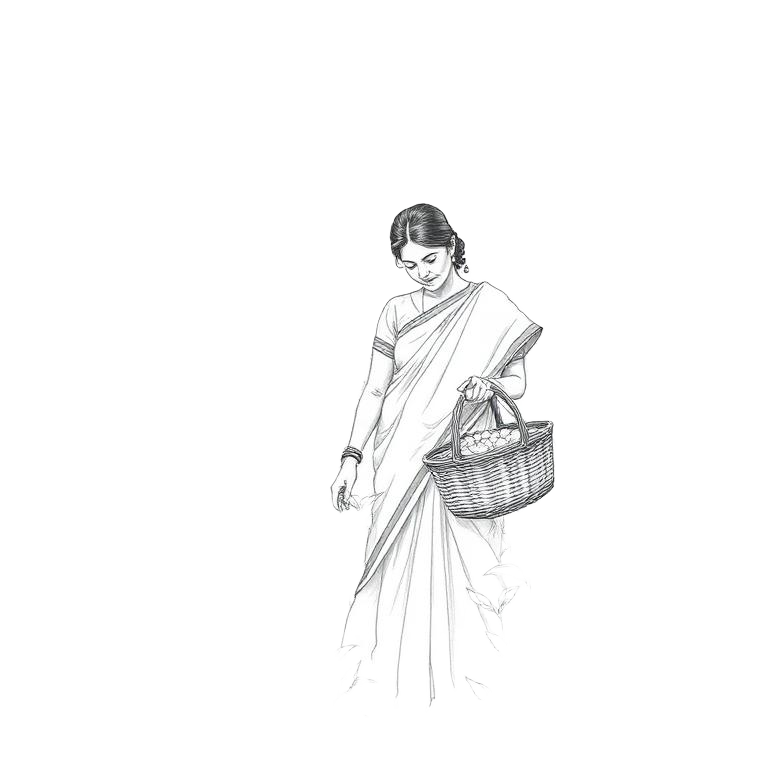
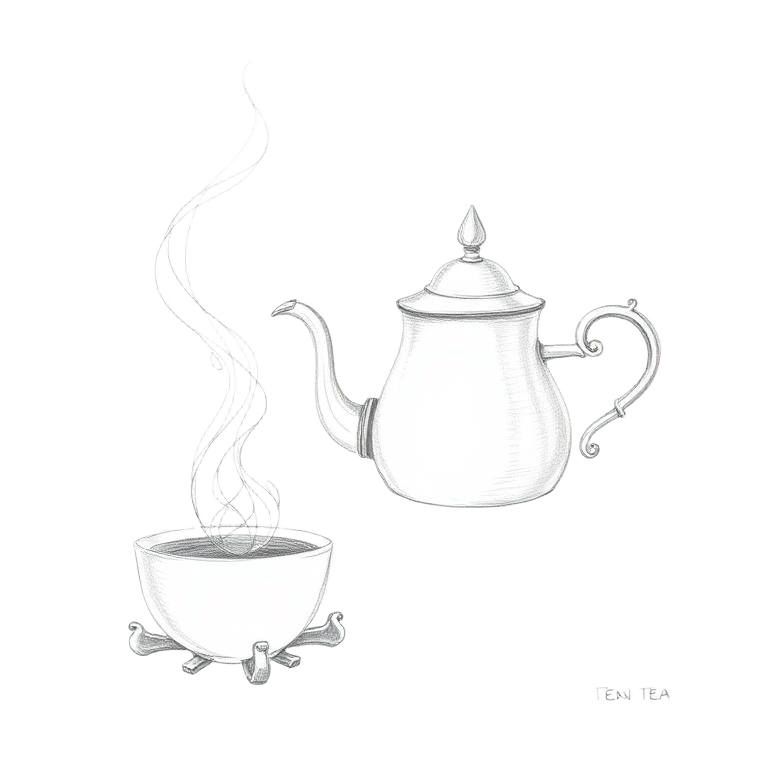
From the seven-layer tea of Nilkantha to the 4-AM stoves of working tea gardens — Sylhet's tea is poured into a way of life.
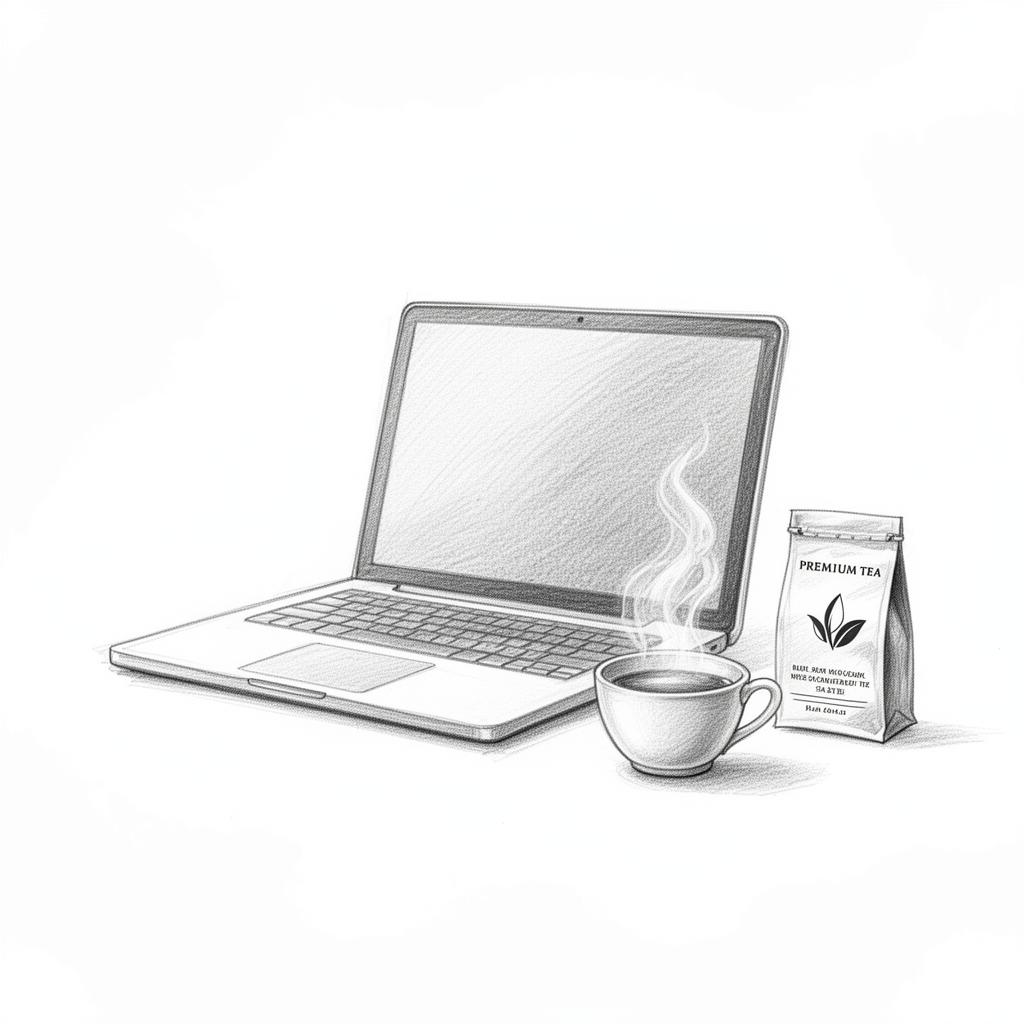
Direct from Sreemangal
We work with estates around Sreemangal, Moulvibazar and the wider Sylhet division to bring single-origin lots to your kettle.
Frequently asked
About tea in Sylhet
- Why is Sylhet famous for tea?
- Sylhet's Surma valley is home to Bangladesh's oldest and largest tea estates — including the Sreemangal gardens established in 1854. The region produces over 90% of the country's tea and remains the cultural home of Bangladeshi cha.
- What is seven-layer tea?
- A Sreemangal speciality served at the Nilkantha tea cabin: seven distinct flavoured layers of tea poured into a single glass without mixing. It became a symbol of Sylhet's tea craft.
- What's the difference between Sylhet black tea and Sreemangal black tea?
- Sreemangal is a town within greater Sylhet division; the two names are often used interchangeably. The 'Sreemangal' label usually points to the orthodox, whole-leaf grades from the historic estates around the town.
- Can I visit a Sylhet tea garden?
- Yes — Sreemangal is a popular tea-tourism destination. We can recommend estate tours and tea-tasting visits when you order from our Sylhet collection.
— Letters from the tea house
Notes from the tea house
Brewing guides, harvest updates and seasonal releases — once a month, never more.
By subscribing you agree to our privacy policy. Unsubscribe anytime.